
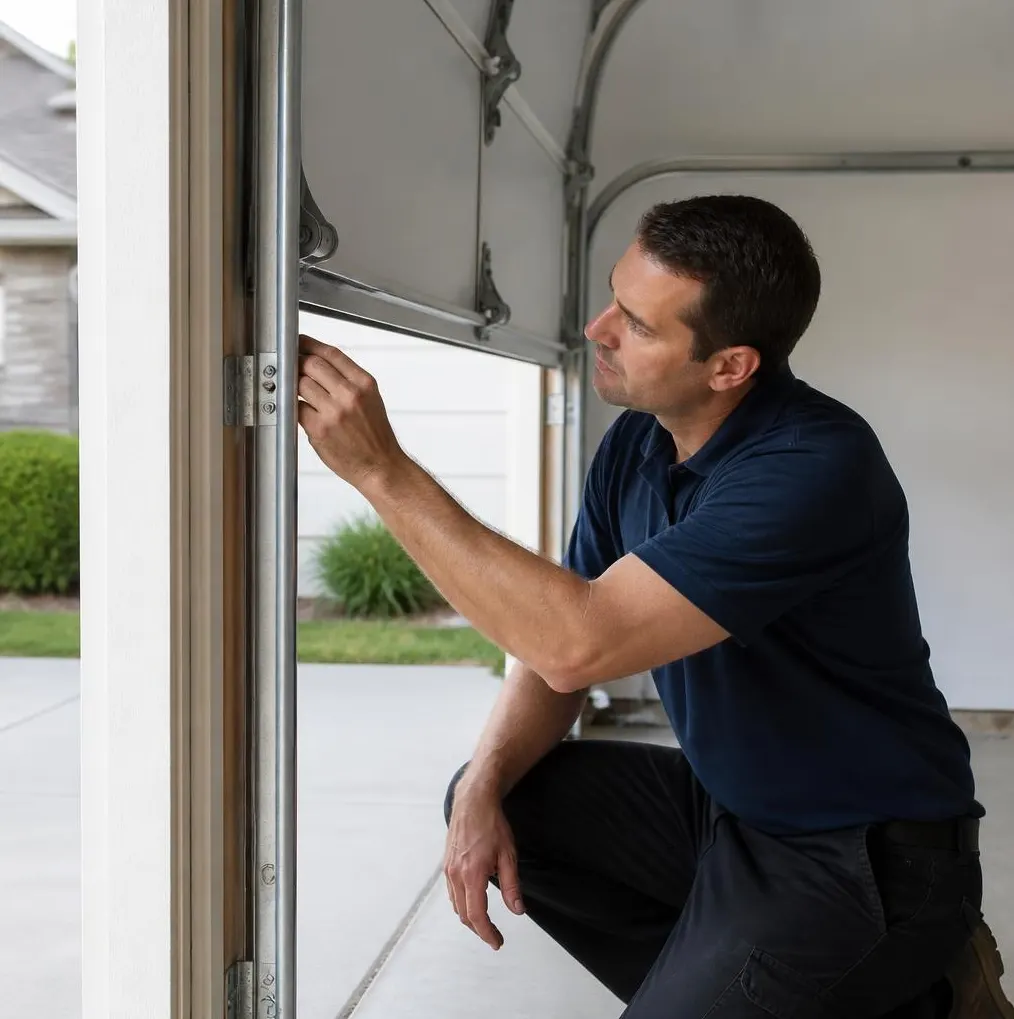
The Mistake: Winterizing Like You Live Somewhere Cold
Every November, the same generic checklists make the rounds: insulate your garage door, check for ice buildup on the tracks, seal gaps to keep the furnace heat in. It's tempting advice because it's everywhere, it sounds responsible, and it costs nothing but a Saturday afternoon. The problem is none of it applies here. Delray Beach doesn't get freezing nights or snow load, so spending your time on frost-proofing means you skip the checks that actually matter for a South Florida garage door heading into the cooler, drier months.
What your door needs right now has more to do with what it just survived than what's coming. Hurricane season technically runs through the end of November, and the months before this one brought heat, humidity, and probably more than a few afternoon downpours driving water against the door and hardware. That's the real starting point for seasonal prep.
Finish What Hurricane Season Started
Before you move on to anything else, walk the door and confirm nothing from the last few months of storms is still a loose end.
- Check wind-load hardware. If you have reinforcement struts, confirm they're still straight and securely fastened. A door that took wind pressure during a storm can develop a slight bow in a panel or a track that's a few degrees out of alignment, even if it never failed outright.
- Inspect the tracks for debris and water lines. Afternoon downpours push water and grit toward the garage door opening. Dried mineral deposits or rust streaks on the track are a sign water has been sitting there.
- Look at the bottom panel and seal. This is the part that takes the most direct hit from wind-driven rain. Swelling, soft spots, or a seal that's pulled away from the panel all point to moisture getting in rather than running off.
Rust Doesn't Wait for Winter
Salt air near the coast and the humidity of the past several months are hard on exposed metal, and a lot of homeowners don't notice the damage until a part fails. Before the drier months settle in, take a close look at:
- Hinges and rollers for orange staining or pitting, especially on the side of the door that faces prevailing wind and weather.
- Spring coils for surface rust, which weakens the metal over time and shortens the life of the spring well before it would normally need replacing.
- Bottom brackets and the track's lower sections, where standing water from heavy rain tends to collect longest.
If you already keep up with lubrication, this is a good moment to confirm it's holding up and hasn't washed away during a particularly wet stretch.
Weatherstripping and Seals: Out With the Swollen, In With the Dry
Humidity causes rubber and vinyl seals to swell, crack, or pull away from their tracking. As the drier season sets in, that swelling often relaxes, which can leave gaps you didn't notice before because the material was puffed up and filling the space. Run your hand along the bottom seal and side weatherstripping now. If it's cracked, stiff, or visibly shrunken compared to a few months ago, replace it before the gap lets in dust, pests, or the next round of wind-driven rain.
A Quick Balance and Sound Check
Disconnect the opener and lift the door manually about halfway. It should hold that position on its own. If it drifts down or feels heavier than it used to, the spring tension has shifted, which can happen gradually from humidity and temperature swings throughout the year. While you're at it, listen for any new grinding, popping, or scraping sounds during a full open-and-close cycle. New noise is usually the first sign of a part working harder than it should.
If Your Home Sits Empty Part of the Season
If you or your household travels during the winter months, or if the house will have long stretches with no one using the garage door, do two things before you leave: test the manual release and emergency battery backup on the opener, and leave the door in the fully closed and locked position rather than partially open. A door that's been idle for weeks is more likely to reveal spring or cable wear the first time it's used again, so it's worth having it checked before an extended period of disuse, not after.
When to Call Delray Beach Garage Door Experts
Some of this is a weekend project. But if you find rust on the spring coils, a door that won't hold its balance, or a cable showing fraying strands, those aren't DIY fixes, they're safety issues. A spring under tension or a compromised cable can fail suddenly and cause real damage or injury. That's when it's time to call us for Garage Door Spring Repair or Garage Door Cable Repair, done with the right tools and tensioning equipment instead of a ladder and a guess. We'll also check your opener's battery backup and overall response if you're heading out of town for the season and want the door squared away before you go.
If your garage door needs a seasonal check before the dry months settle in, call Delray Beach Garage Door Experts. We serve Delray Beach, FL and the surrounding South Florida area with same-day service when you need it.